Free to list · free to search
The FREE MLS for Commercial Properties.
One place for commercial real estate — list your property or find your next, for sale or for lease. Built for brokers and their AI agents.
List your property for FREE
For sale or lease
Put your listing in front of buyers and tenants — no cost, no catch. Add it in minutes, or send it over and we'll build it for you.
Find a commercial property
To buy or lease
Rather just look around? Browse every listing on the map — no account, no typing.
Latest to market
View all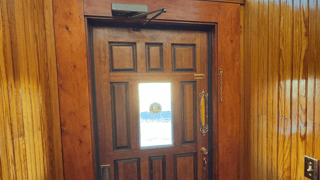
Address available on request
Greeley, CO
$750k
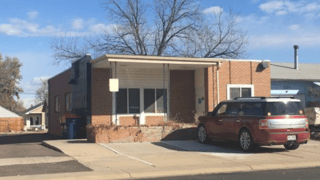
217 Fourth Street
Dacono, CO
$410k
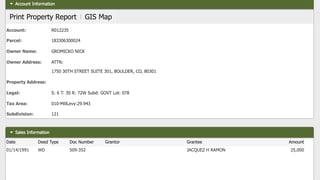
Gilpin County gold-country parcel (B)
Central City, CO
$2k
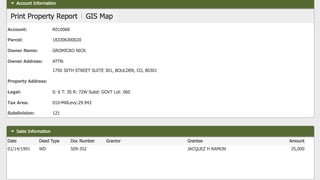
Gilpin County gold-country parcel (small)
Central City, CO
$2k
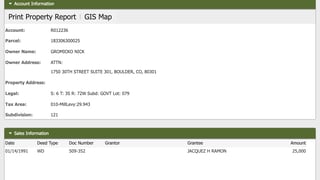
Gilpin County gold-country parcel (A)
Central City, CO
$2k
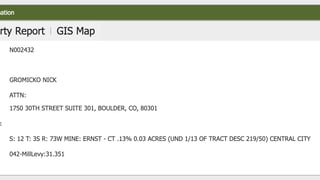
Ernst Mine claim
Central City, CO
$2k
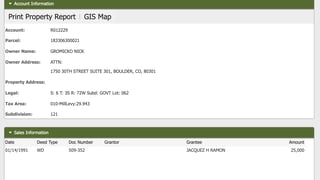
Gilpin County gold-country parcel (C)
Central City, CO
$2k
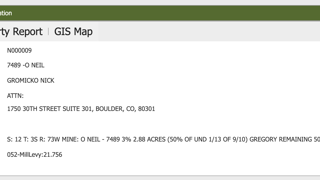
O'Neil Gold Mine claim (two deeds)
Central City, CO
$4k
Due diligence, before you offer
Found a property worth a closer look? Order an inspection and run the numbers with these free tools.
 Find a commercial property inspector Order a commercial inspection from a Certified Commercial Property Inspector serving your area.
 Investment Property Analyzer Run the numbers on any property with CCPIA’s free analyzer — income, expenses, and returns before you offer.
From our partner CCPIA — the Certified Commercial Property Inspectors Association
For brokers & owners
Your listing, in front of buyers — and their AI agents.
- 01
Drop in the OM or flyer. AI reads it and drafts the listing — facts, pricing, highlights.
- 02
Review and refine. Photos, spaces, and a publishing checklist that tells you exactly what's missing.
- 03
Publish everywhere at once. Live on the market, the map, and every AI surface — leads land in your inbox.